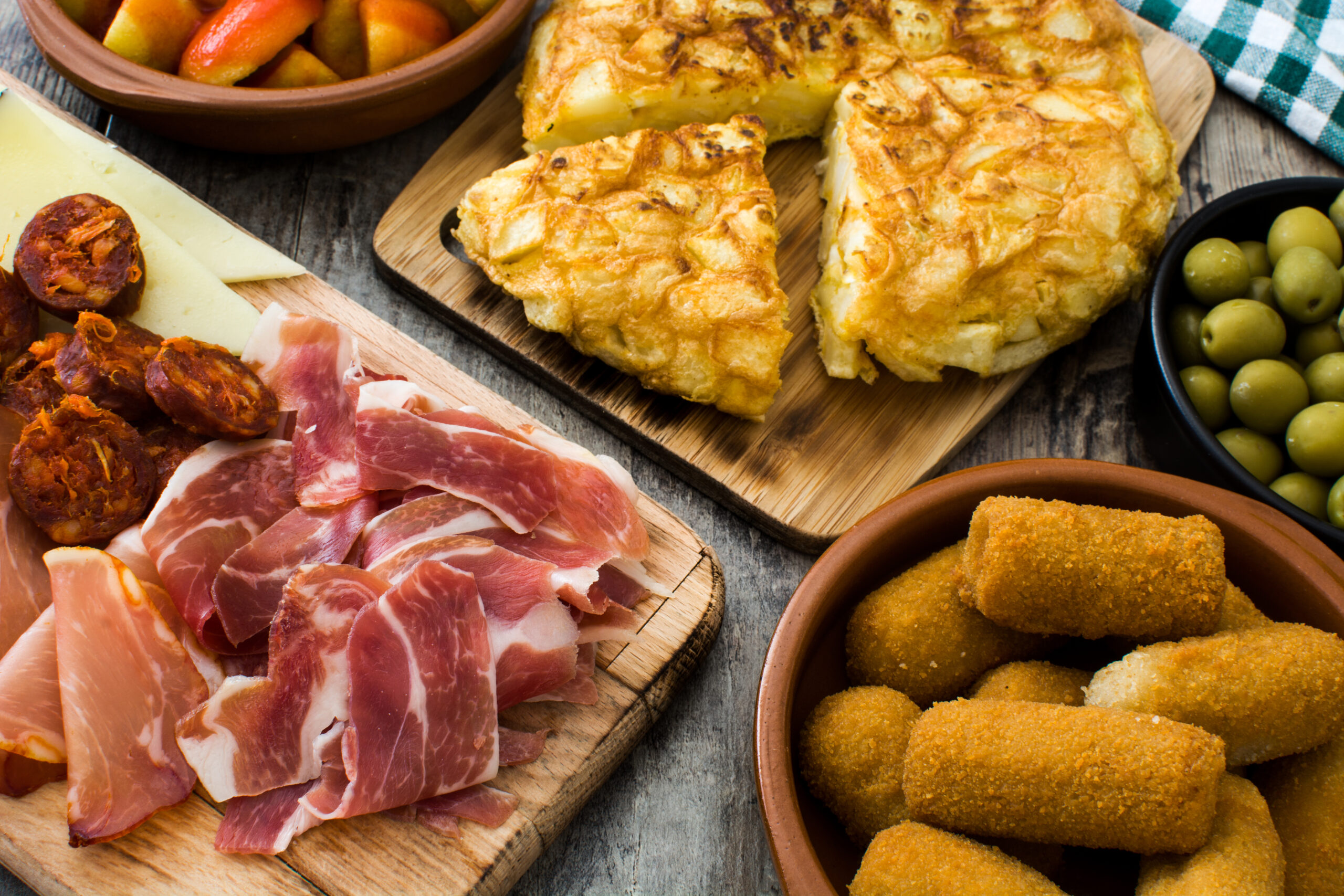
Spanish food is not just about recipes — it’s about lifestyle, rhythm, and connection. In Spain, meals are not rushed. They are shared, enjoyed, and often become the highlight of the day. What makes Spanish food culture so special is not complexity, but simplicity done right. A few high-quality ingredients, prepared with care, can create something unforgettable.
In this guide, you’ll discover the most iconic Spanish foods, how they are traditionally enjoyed, and how you can bring that same experience into your home — no matter where you are.
What Makes Spanish Food Culture Unique?
At the heart of Spanish cuisine is one simple idea:
👉 Great ingredients don’t need much intervention
Instead of heavy sauces or complex techniques, Spanish cooking focuses on:
- seasonal, high-quality products
- traditional preparation methods
- sharing food with others
Meals are often built around small portions placed in the centre of the table, encouraging conversation and connection. This is why products like jamón, cheese, olive oil, and conservas are so important — they are ready to enjoy and full of natural flavour. Another key difference is timing. Spaniards eat later, slower, and with intention. Food is not just fuel — it’s part of everyday life.
Jamón: The Soul of Spanish Gastronomy
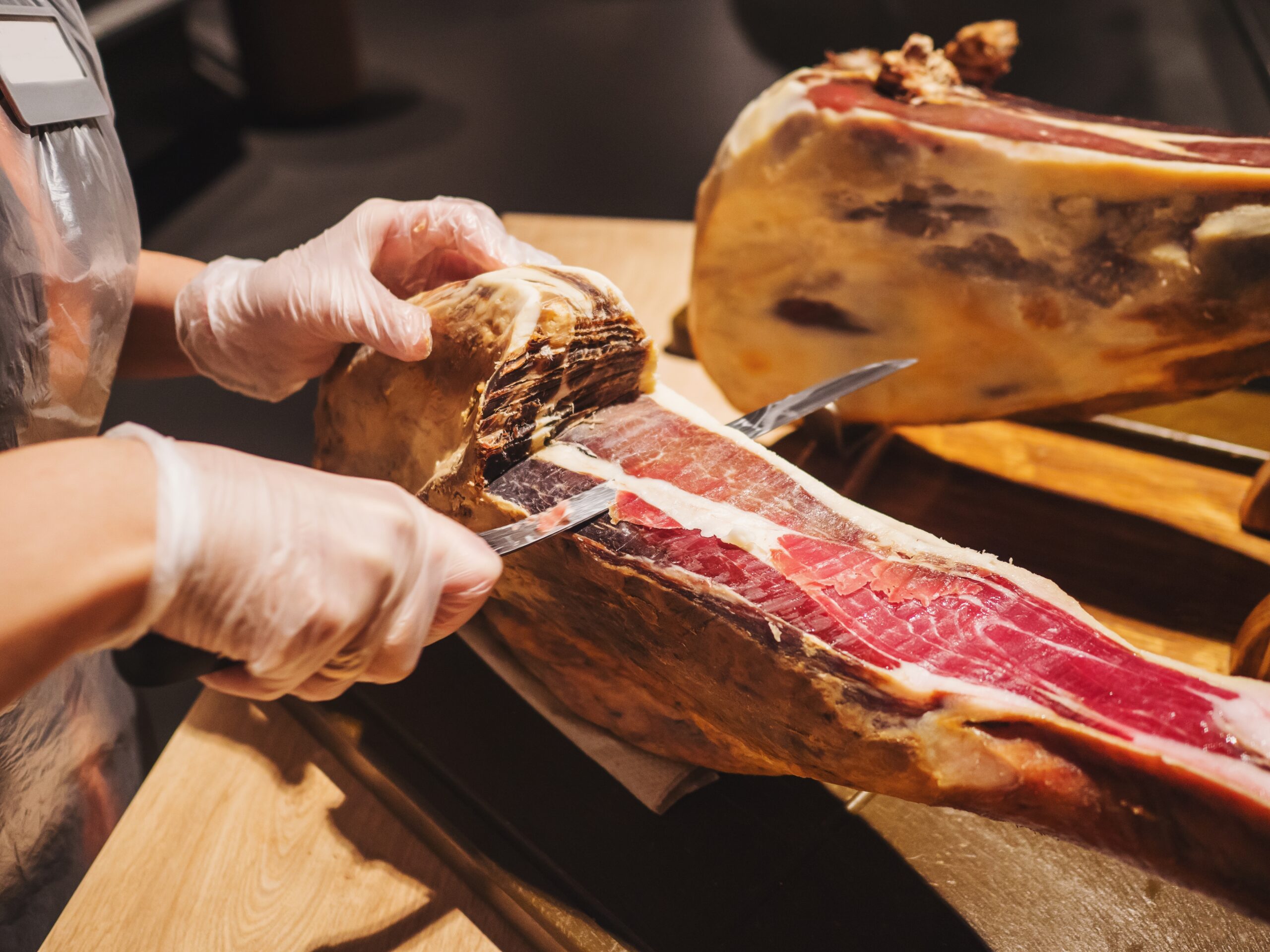
If there is one product that defines Spain, it is jamón. This dry-cured ham is the result of years of careful production, combining tradition, patience, and respect for the raw ingredient. Its flavour is deep, complex, and impossible to replicate with fast methods. What makes it truly special is:
- the natural curing process
- the texture created by intramuscular fat
- the balance between saltiness and sweetness
Jamón is often served very simply — thin slices, room temperature, no cooking. That’s all it needs. Curious to understand what really sets one jamón apart from another? From the different types available to what drives the price, learning these details will completely change how you experience every slice. Start by exploring the different types of Spanish jamón and then discover why premium jamón has a higher price.
Cheese & Charcuterie: The Art of Sharing
One of the easiest ways to experience Spanish food culture is through a charcuterie-style spread. In Spain, this isn’t seen as fancy — it’s everyday food done well. A typical table might include:
- cured meats
- aged cheeses like Manchego
- olives, almonds, and bread
The beauty is in the simplicity. There’s no strict structure — just good products enjoyed together.
👉 This is perfect for entertaining at home, especially if you want something impressive without spending hours cooking. Have a look to How to Build the Perfect Spanish Charcuterie Board
👉 Browse our Spanish cheeses, olives, and charcuterie essentials
Paella: More Than Just a Dish
Paella is one of Spain’s most recognisable dishes, but it’s often misunderstood. It’s not just a recipe — it’s a social experience. Traditionally cooked in a wide pan and shared directly from it, paella brings people together. It’s about:
- cooking slowly
- gathering around the pan
- enjoying the moment
There are many variations, but the essence remains the same: simple ingredients, cooked with care. We recommend you to have a look to the following article if you are thinking on buying a Paella Pan: Finding the Perfect Paella Pan

Conservas: Spain’s Best-Kept Secret
One of the most underrated parts of Spanish cuisine is conservas, or premium canned seafood. Outside Spain, canned fish is often seen as basic. But in Spain, it’s the opposite — it’s considered gourmet. These products are:
- carefully selected
- hand-prepared
- preserved in olive oil or natural sauces
The result is intense flavour and exceptional quality.
Popular options include:
- sardines
- mussels
- tuna
They are perfect for:
- quick tapas
- adding to a charcuterie board
- creating a simple but impressive meal

anchovies with olive oil
Other Spanish Foods You Shouldn’t Miss
While jamón, paella, and conservas are some of the most iconic elements of Spanish cuisine, there’s a whole world of traditional Spanish foods that are just as important to the culture. These are the flavours that locals grow up with — simple, bold, and full of character.
Olive Oil: The Foundation of Spanish Cooking
If there is one ingredient used in almost every Spanish kitchen, it’s olive oil. In Spain, olive oil is not just for cooking — it’s used:
- drizzled over bread
- added to salads
- paired with tomatoes and salt
High-quality extra virgin olive oil brings flavour, richness, and depth to even the simplest dishes.
Pan con Tomate: Simple Done Perfectly
One of the most traditional (and underrated) Spanish foods is pan con tomate. It’s incredibly simple:
- toasted bread
- fresh tomato
- olive oil
- a pinch of salt
That’s it. But when made with quality ingredients, it becomes something special — often served as a base for jamón or cheese.
👉 This is a great example of how Spanish food relies on quality, not complexity.
Tortilla Española: Spain’s Comfort Food
The Spanish tortilla (potato omelette) is one of the most common dishes you’ll find across the country. Made with:
- potatoes
- eggs
- olive oil
It’s simple, filling, and perfect at any time of the day. Some prefer it:
- with onion
- without onion
👉 (This debate alone is part of Spanish culture 😄)
Chorizo: Bold, Smoky, and Full of Flavour
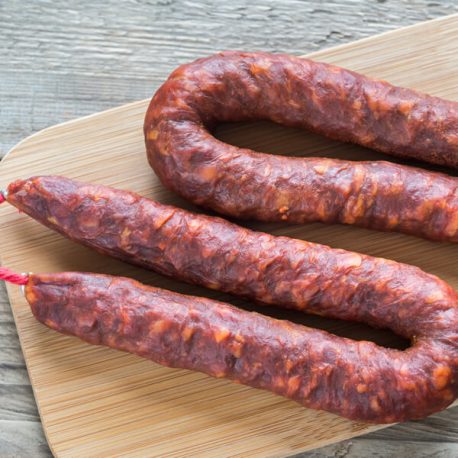
Spanish chorizo is very different from what many people expect. It’s:
- cured, not raw
- seasoned with paprika
- rich and slightly smoky
It can be enjoyed:
- sliced on its own
- cooked in dishes
- added to tapas
Spanish Sweets: A Taste of Tradition
Spain also has a strong tradition of desserts and sweets, especially during celebrations. Some of the most popular include:
- turrón (almond nougat)
- flan (caramel custard)
- churros with chocolate
These are often linked to specific seasons, especially Christmas.
The Spanish Way of Eating
To truly understand Spanish food, you need to understand how Spaniards eat. Food is not rushed. Meals are:
- long and social
- shared between people
- focused on enjoyment
Instead of individual plates, dishes are placed in the middle. Everyone takes what they want, creating a relaxed and interactive experience. Drinks also play a role:
- wine
- beer
- sometimes vermouth
👉 It’s not just about what you eat, but how you experience it.
How to Bring Spanish Food Culture Home
You don’t need to travel to Spain to enjoy this lifestyle. Start simple:
- a quality jamón
- some cheese and olives
- a few conservas
- fresh bread and olive oil
That alone can recreate a true Spanish-style table. From there, you can expand — try cooking paella, experiment with tapas, or build your own charcuterie boards.
👉 Explore our full range of authentic Spanish products
Final Thoughts
Spanish food culture is not about complexity — it’s about doing simple things exceptionally well.
It’s about:
- choosing quality over quantity
- taking time to enjoy food
- sharing meals with others
Once you start experiencing food this way, it changes everything.
And the best part? You can start today.